

Tube feeding in practice: care and monitoring
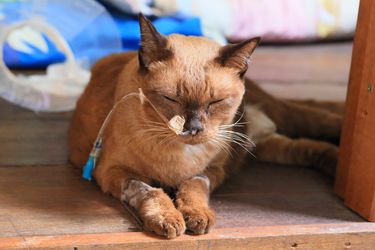
Inpatient patients require careful monitoring and compassionate nursing. Tube feeding combines clinical precision with attentive care for animals during vulnerable moments.
When a patient needs to be admitted for inpatient care, a particularly responsible phase begins for the practice or clinic team. For veterinary receptionists, veterinary nurses and support staff in particular, a large part of the daily care now rests in their hands.
Inpatient nursing involves many professional tasks. For example:
- Feeding tubes are placed, monitored and maintained.
- Feeding plans must be calculated and implemented correctly several times a day.
- Vital parameters are checked,
- Changes are documented and communicated to the veterinary team.
All of this requires attentiveness, knowledge and structure.
And yet we know: feeding is more than simply providing nutrition. Nursing care is more than medical treatment.
Caring for a hospitalised patient also means making time for compassion. Noticing fear. Recognising restlessness. Taking small changes seriously.
It means speaking calmly, conveying reassurance and offering the animal — despite the unfamiliar environment — moments of closeness and reliability.
Inpatient care in a veterinary practice or clinic is therefore always a combination of professional competence and genuine care.
Charts, feeding plans and documentation are essential. But equally important is the feeling of being seen and cared for.
Many people did not choose this profession solely because of its medical tasks, but because they want to accompany animals — especially when they are unwell.
In what may be one of the most difficult moments of their lives, patients need not only treatment, but people who act with attentiveness and kindness.
The goal of inpatient care is, of course, recovery.
But just as meaningful is that both animal and owner remember the clinic as a place where work was carried out responsibly and care was provided with respect and heart.